
Why Leasehold Retirement Living Continues to Work for So Many

Leasehold housing remains a prominent topic of media discussion and is the subject of ongoing government reform proposals, including plans to make commonhold the default tenure for many new flats in the future.
While the detail and implementation of these changes continue to develop, millions of people across the UK currently live successfully and happily in leasehold properties, including many retirement communities. Against this backdrop, it is worth taking a balanced look at the practical benefits that leasehold retirement living can offer today.
At ELM Group, we see every day how leasehold retirement living can deliver real advantages for residents, many of which are often overlooked in wider public debate. So, let’s explore what continues to make leasehold retirement housing an attractive option for later life.
Independence with the reassurance of support
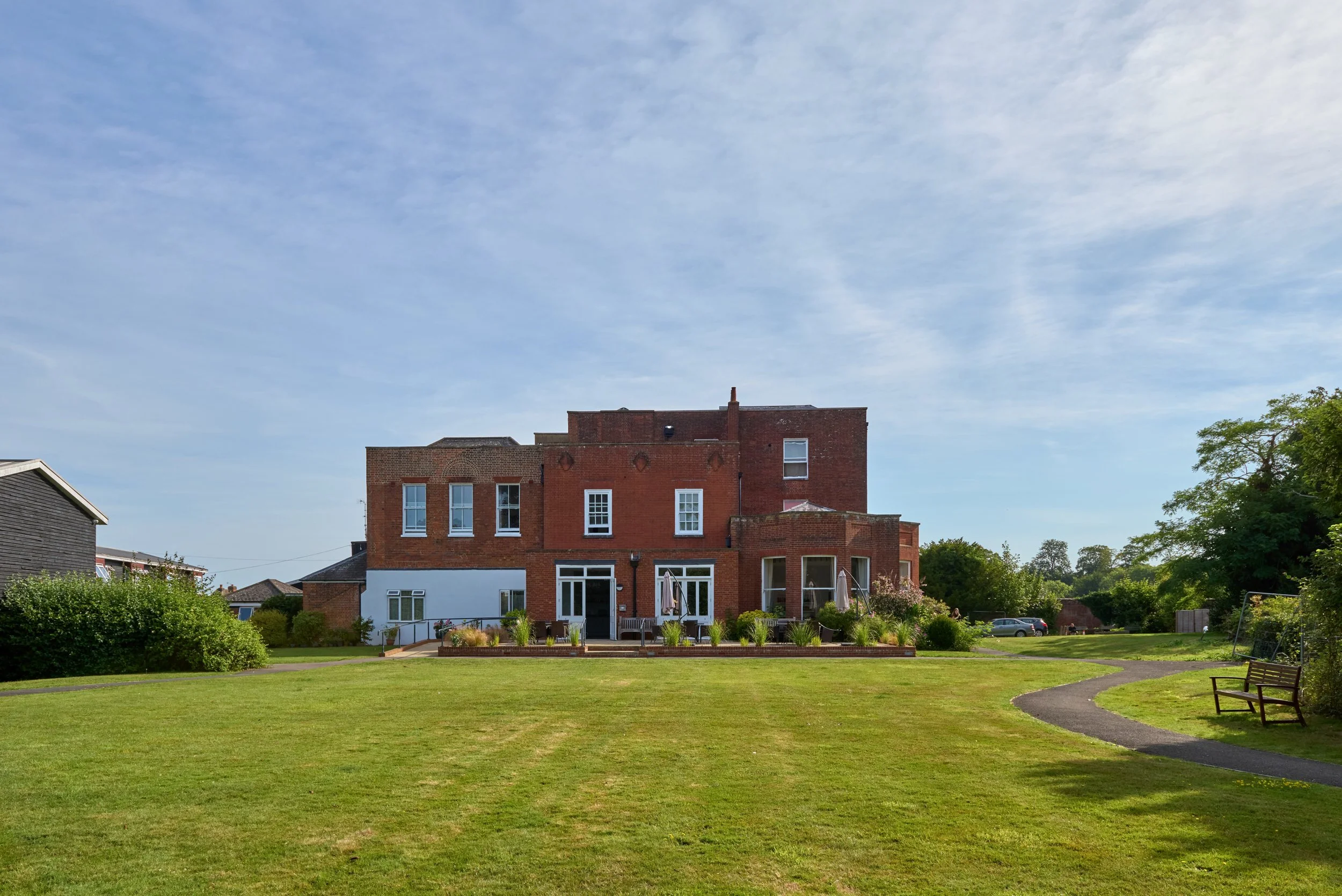
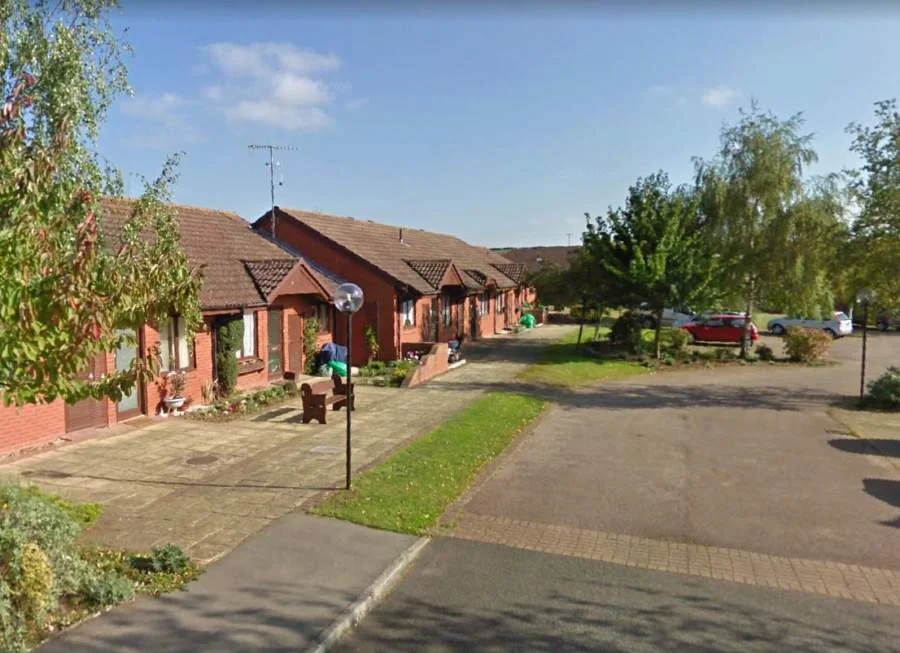
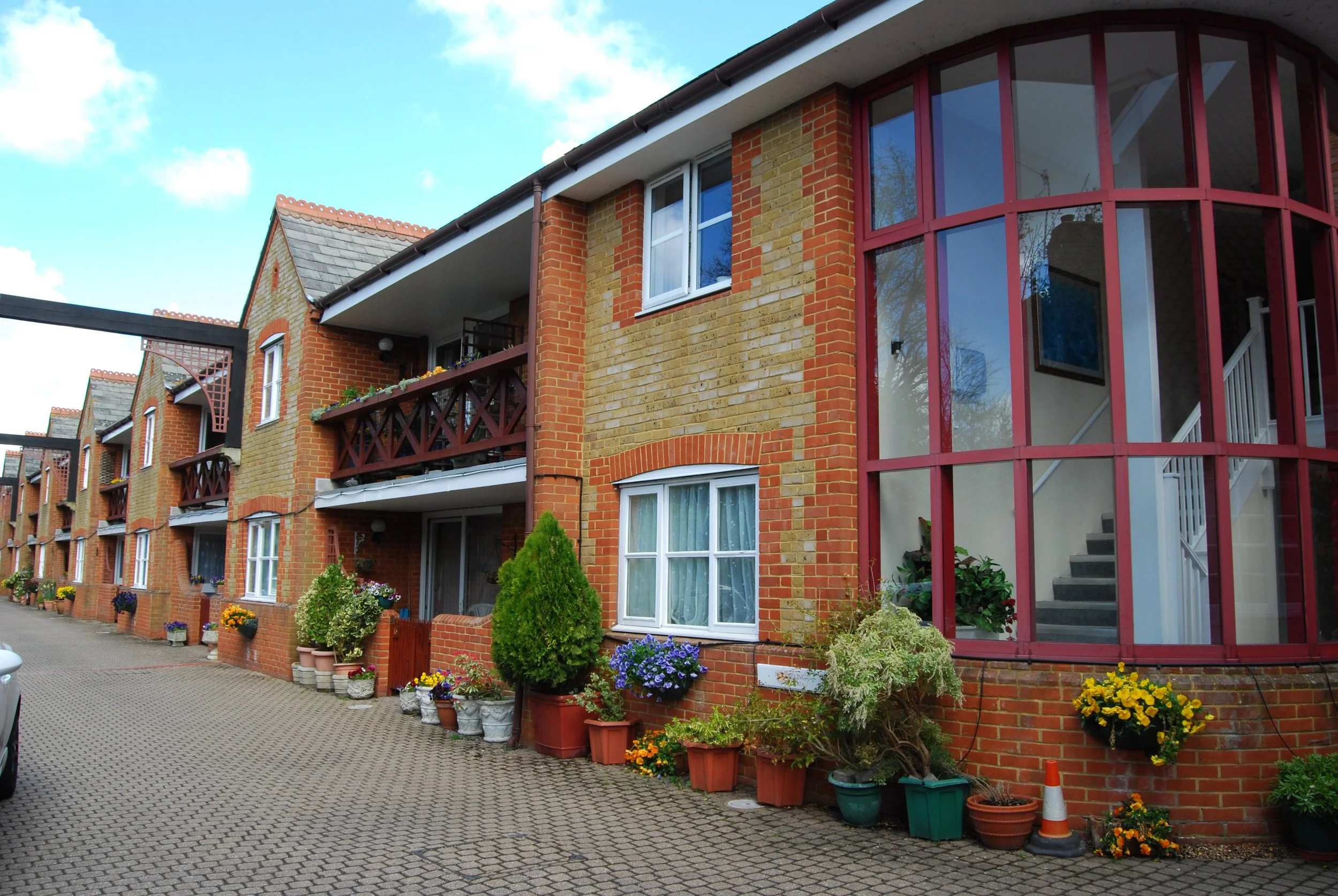
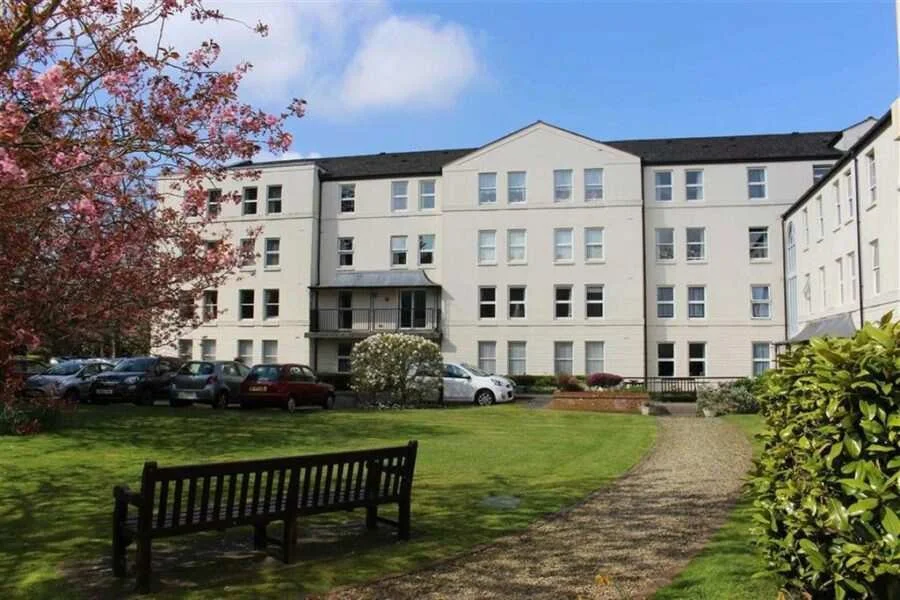
One of the biggest advantages of leasehold retirement living is the balance it offers between independence and support. Residents own their home and maintain their privacy, while also benefiting from a purpose-built environment designed with later life in mind.
Many developments provide features such as on-site management, emergency call systems and a supportive community - helping residents feel safe and reassured, without compromising their independence.

Less to worry about day-to-day
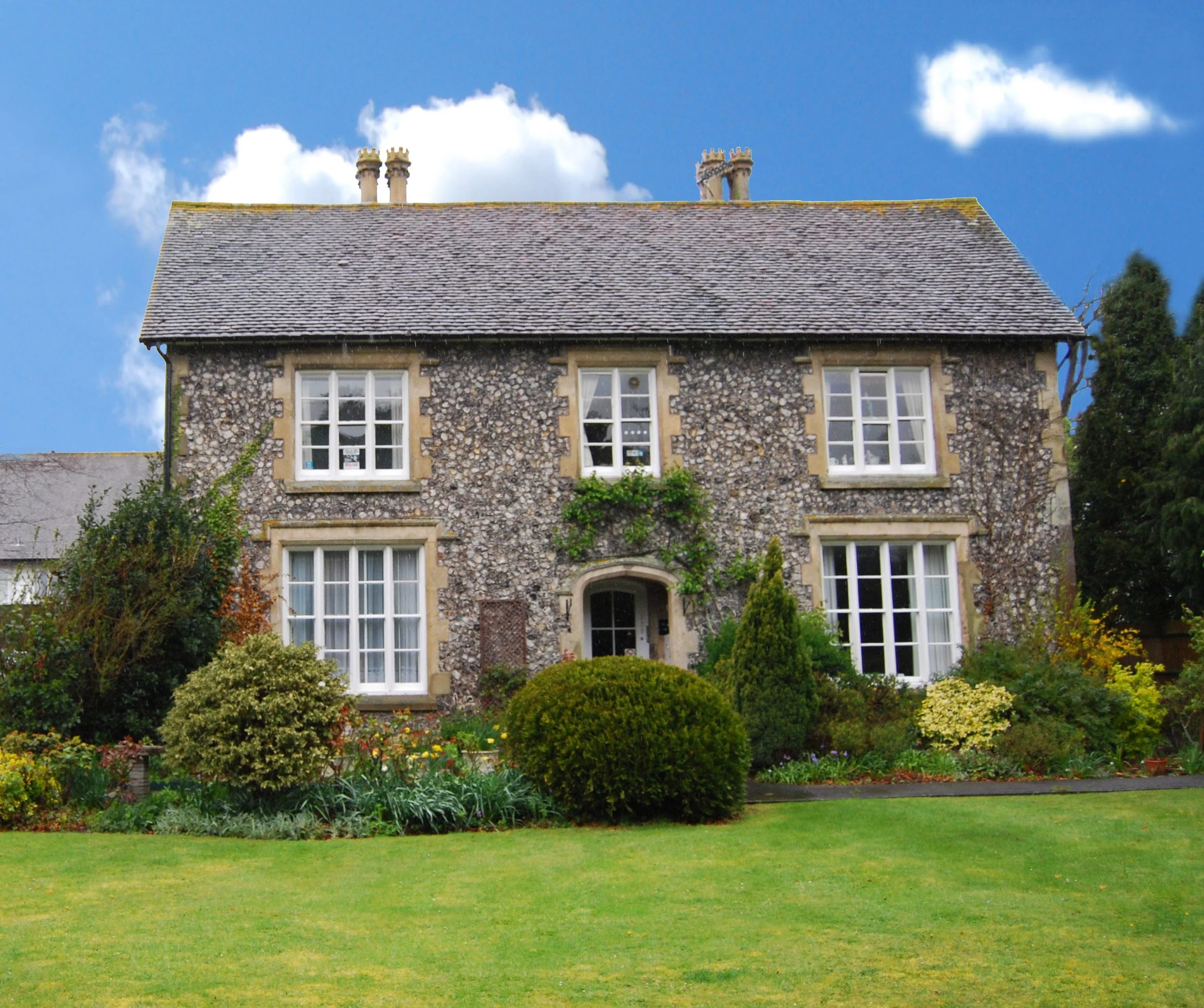
Maintaining a large home can become increasingly time-consuming and costly. Leasehold retirement housing removes much of that responsibility.
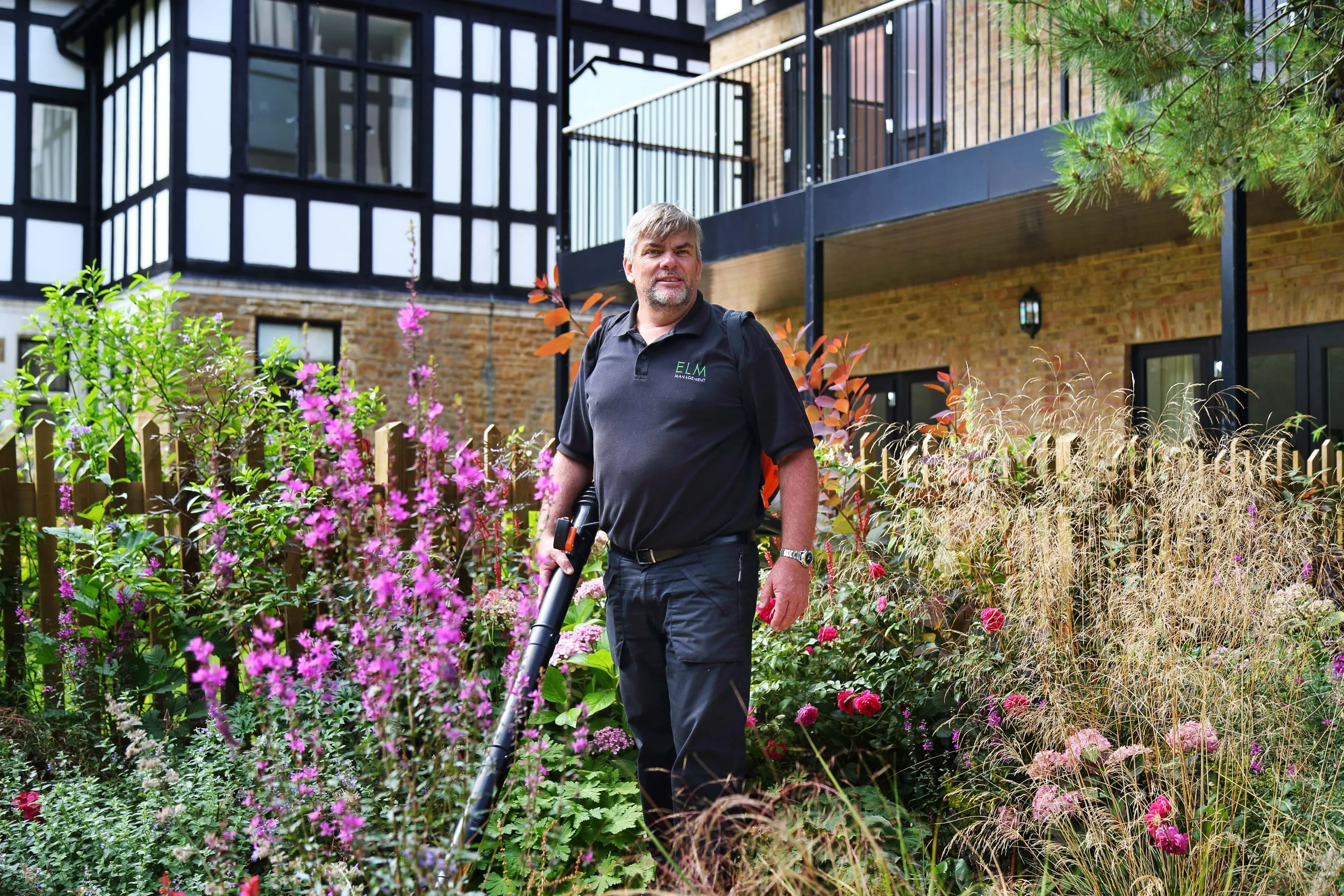
External repairs, building insurance, and the upkeep of communal areas including the grounds are typically managed on behalf of residents. This means less time worrying about arranging contractors or dealing with unexpected maintenance work - giving leaseholders more time to focus on enjoying life.
A built-in sense of community
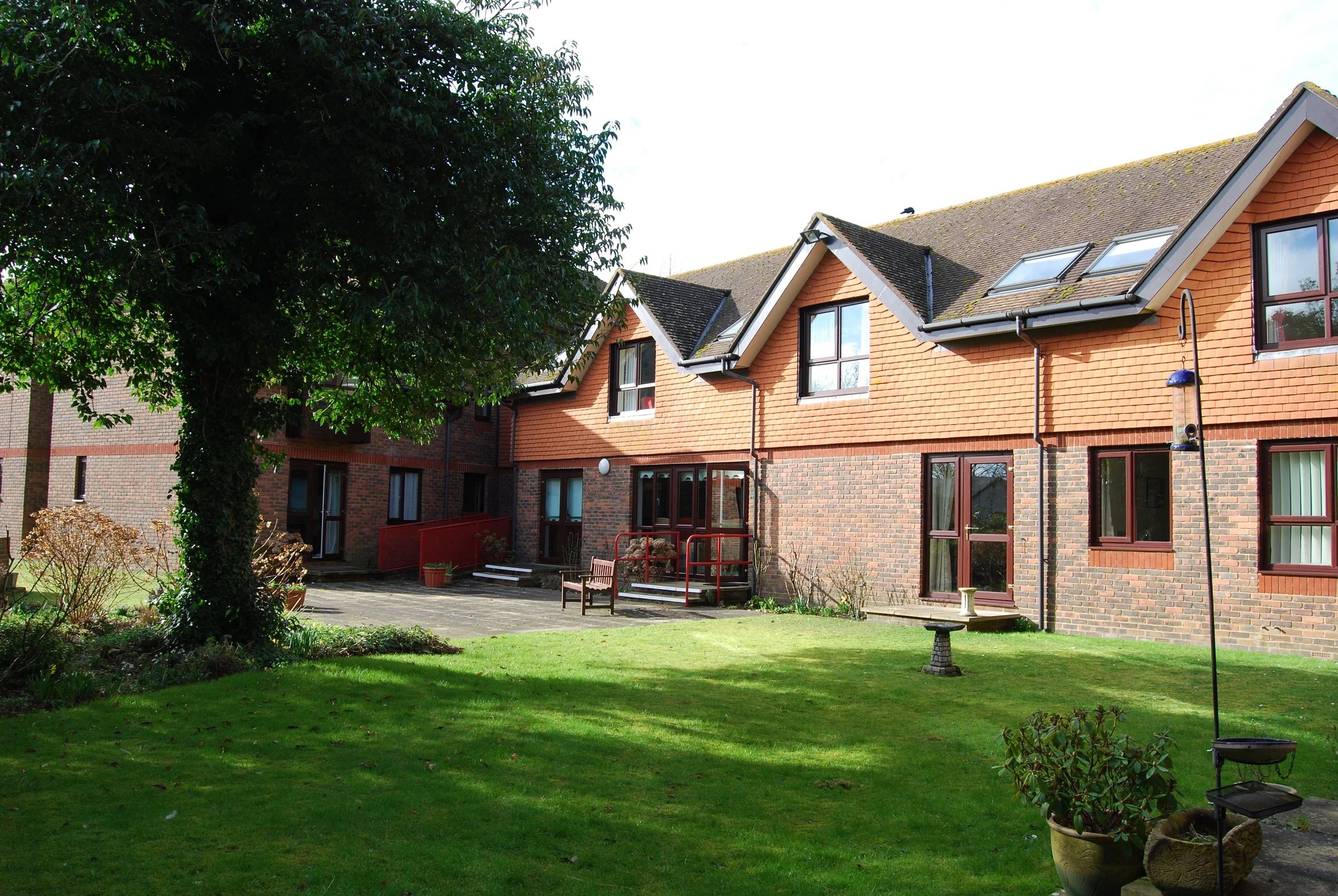
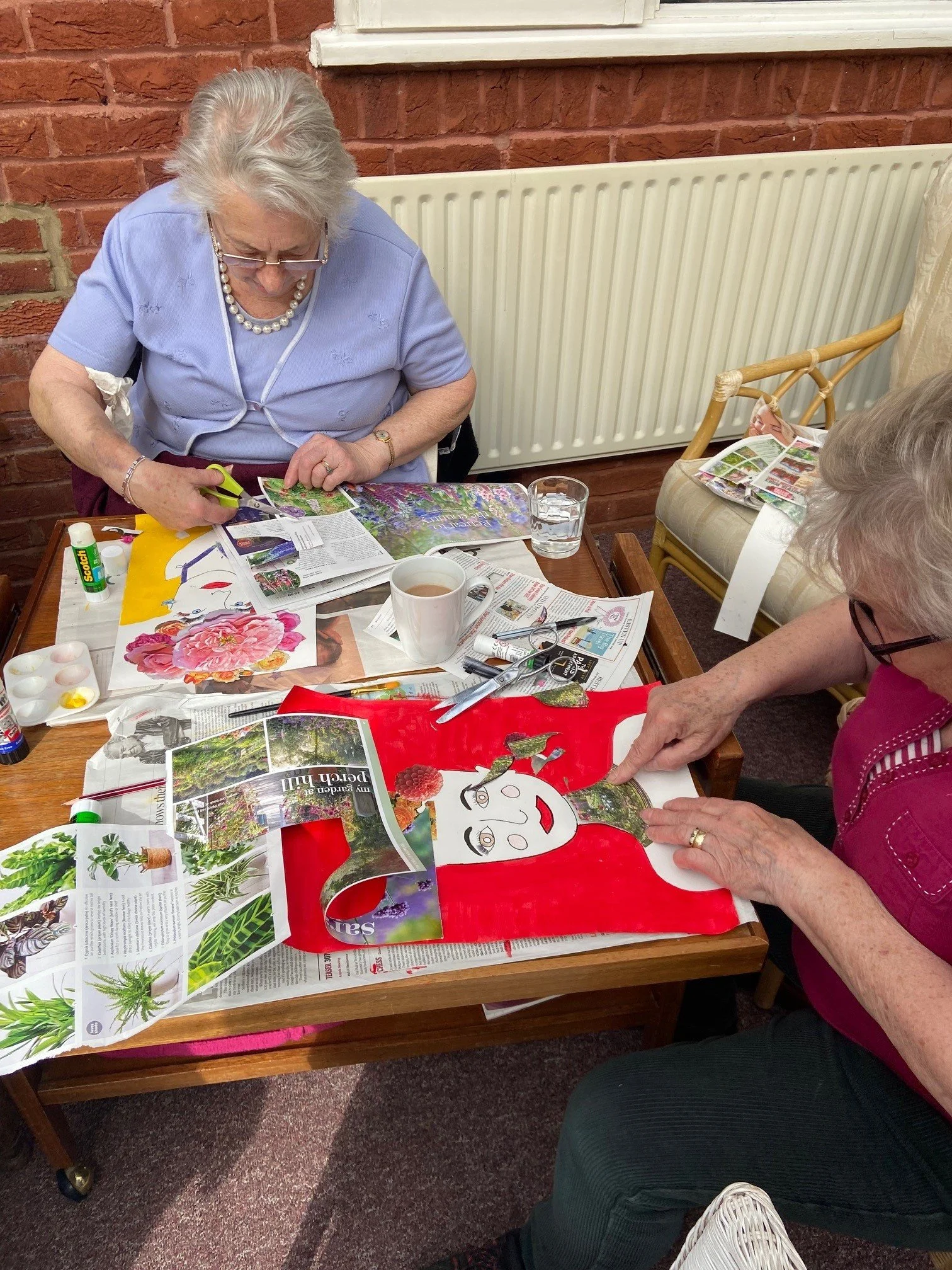
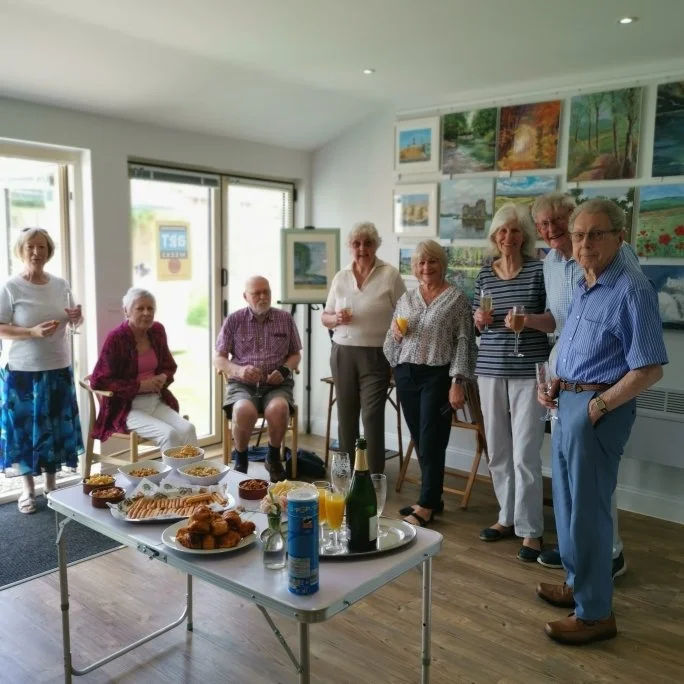
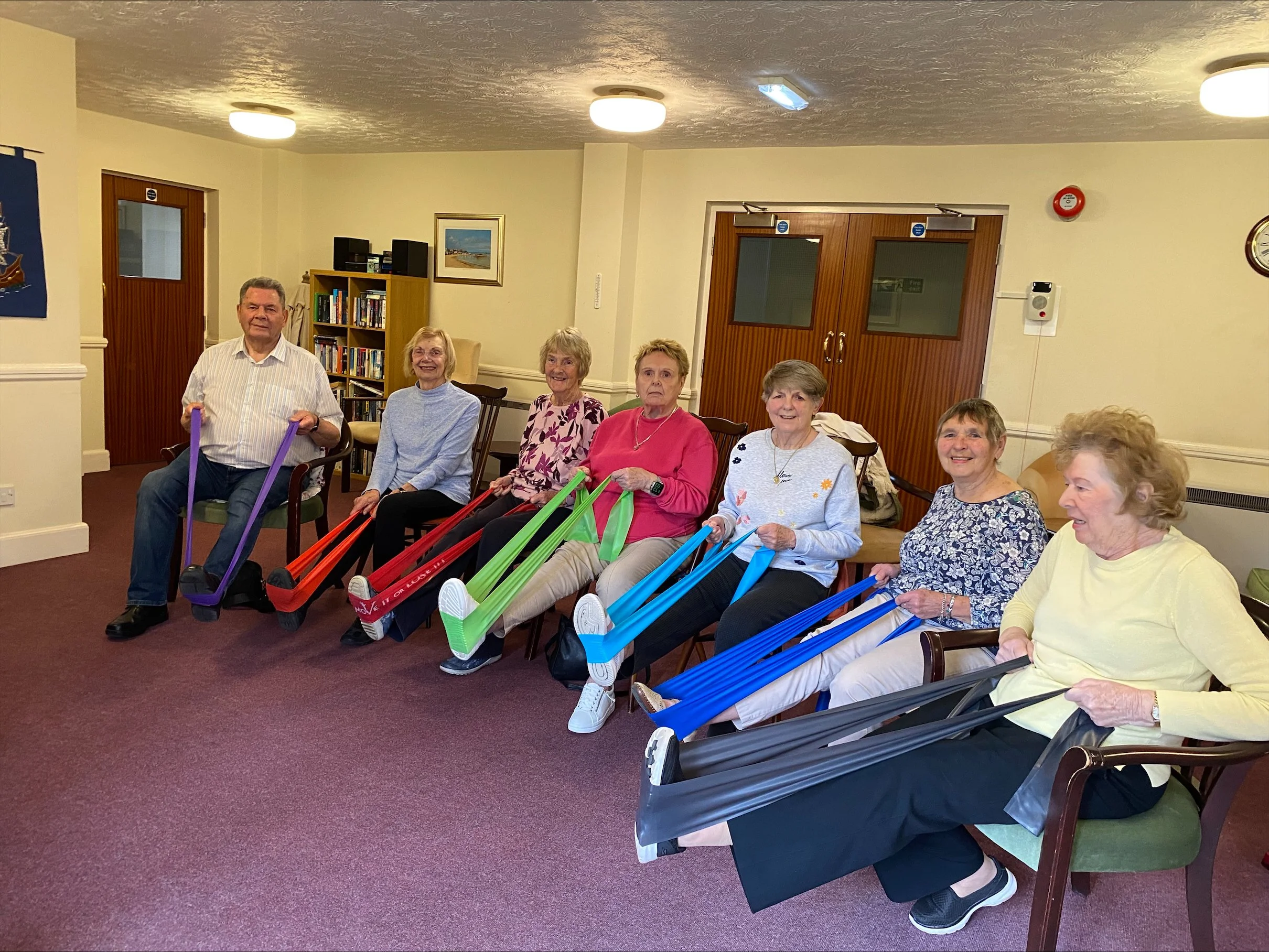
Moving into a retirement development often brings opportunities that go far beyond the property itself. Shared spaces such as lounges and gardens, along with organised social activities, help foster a strong sense of community.
For many residents, this leads to new friendships, increased confidence, and an improved sense of wellbeing.






Designed for comfort, safety and accessibility
Retirement properties are carefully designed to meet the changing needs of residents. Features such as step-free access, lifts, and safety systems make everyday living easier and more comfortable. This thoughtful design can help residents remain independent for longer, with homes that adapt to their needs over time.
Financial flexibility and downsizing opportunities
Leasehold retirement properties are often more affordable upfront than comparable freehold homes, making them a practical option for those looking to right size.
For many, selling a larger property can release equity - providing additional financial flexibility in retirement. This can be used to support lifestyle choices, travel, or simply to create a greater sense of financial security.
Peace of mind for residents and families
With features such as secure entry systems and support services close at hand, residents - and their families - can feel confident that help is available if needed. This peace of mind is often one of the most valued aspects of retirement living.
What happens when things go wrong?
One of the benefits of leasehold is that the lease provides a clear framework for dealing with the occasional issue that may arise. For example, if a leaseholder does not pay their service charges, the lease will usually explain when payment is due and the limited circumstances in which it may be withheld. If payment is not made, appropriate action can be taken to recover the money, helping to ensure that the estate continues to be well managed and maintained for everyone. The lease also sets out expectations for considerate behaviour. If a resident is excessively noisy or causes a nuisance, there are steps available to address the concern and encourage a resolution. Where an issue cannot be resolved informally, the lease can be enforced through the First-tier Tribunal or, where appropriate, the Upper Tribunal.
It’s important to acknowledge that leasehold housing is not without its complexities, and it’s right that these are discussed openly. However, focusing only on the challenges can overlook the many positives that make leasehold retirement living a suitable and rewarding choice for so many people.
Leasehold retirement housing offers a unique combination of home ownership, reduced responsibility and community living. For the right person, at the right stage of life, it can provide a safer, more manageable and more enjoyable way of living.
By looking beyond the headlines, it becomes clear that leasehold retirement living is about more than a tenure type, it’s about creating a lifestyle that supports independence, wellbeing and peace of mind.